Deal #1 – Callaway Preowned – 20% off sitewide plus up to 45% off Elyte


If you’ve been thinking about upgrading your bag, this is about as good a time as any. Get 20% off nearly everything on the site, with discounts up to 45% on Callaway’s new Elyte lineup. No promo code needed.


Deal #2 – Johnnie-O End of Season Sale – up to 50% off


One of our favorite apparel brands is clearing out summer inventory. Save up to 50% on polos, shorts, pullovers and more, then stack an extra 15% off your order with code EXTRA15.


Deal #3 – 20% Off Vice Golf Balls


Golf balls are one of the few things you’re guaranteed to buy again, so you might as well buy them on sale. If Vice is your ball of choice, now’s a good time to stock up and save 20%.

Golf fashion has genuinely gotten better. The brands have improved, the fits have gotten more modern, and the days of mandatory pleated khakis are mostly behind us.

But it’s still a dangerous landscape. One wrong move and you show up looking like you’re closing a software deal, filling in as a JV baseball coach, or cosplaying as a TOUR pro at a tournament you’re not in. None of these are the look.

Here’s how to avoid all of them.

Fit Matters More Than Brand

A $40 polo that fits well will always look better than a $140 polo that doesn’t. This is the rule that overrides everything else. Shirts should sit at the shoulder seam, not drape off it. Pants should break cleanly at the shoe, not bunch up around the ankle like you borrowed them from a larger man.

Before you spend another dollar on golf clothes, go through what you have and figure out what actually fits. The answer is probably less than you think.

Stop Wearing Tournament Polos From 2016

The logos have gotten smaller. The fabrics have gotten better. The cuts have gotten more modern. If you’re still wearing a shirt from a golf event eight years ago  especially one with a giant logo across the chest – it’s time to let it go.

You can hold onto the memory. The shirt can go. 

Neutral Colors Beat Loud Prints

The loudest guy on the tee is not always the most stylish. Navy, white, grey, olive, tan – these work. They photograph well. They look intentional. They don’t clash with each other or with your playing partners.

If you want to add color, add it in one piece and keep the rest muted. A great pair of red shorts with a clean white polo is a look. Red shorts, a blue-and-yellow print polo, and orange shoes is not a look. It’s a situation.

Brand we like: Quiet Golf

Your Shoes Say More Than You Think

Golf shoes have never been better – lighter, more versatile, more stylish — but the default for a lot of guys is still a clunky white shoe from 2018 with brown leather accents and a heel counter the size of a doorstop. If your shoes look like they belong on a construction foreman, get new shoes.

FootJoy, G/Fore, Adidas, Nike, TRUE Linkswear – there are options at every price point that look clean and perform well. It’s worth the investment.

One Statement Piece Max

Hat, belt, shoes, watch – pick one thing to do something interesting with and keep everything else quiet. A good hat in a great color. A belt with a distinctive buckle. A shoe with a clean colorblock. One. Not all of them at once.

The guys who look effortlessly sharp on a golf course have almost always internalized this rule, even if they couldn’t articulate it.

Brand we like: Devereux

Golf Clothes Should Still Look Normal Off The Course

If you’d be embarrassed to stop for lunch on the way home from the course, the outfit isn’t working. Modern golf apparel is designed to be worn in both contexts – a great polo, a clean pair of chinos or shorts, good shoes. You should be able to walk from the 18th green to a restaurant without changing.

If you need to change first, you’re wearing something that’s either too technical, too logoed, or too aggressively sporty. Dial it back.

Brand we like: Sun Day Red

Big OEMs still run the show… but if you’ve been paying attention lately, the gear nerds are winning.

Somewhere between launch monitors, TikTok fittings, and Tour players quietly switching into weird-looking putters…

Boutique club makers went from niche → mainstream.
The Brands Everyone’s Whispering About

A few names keep popping up in fittings, forums, and even Tour bags:

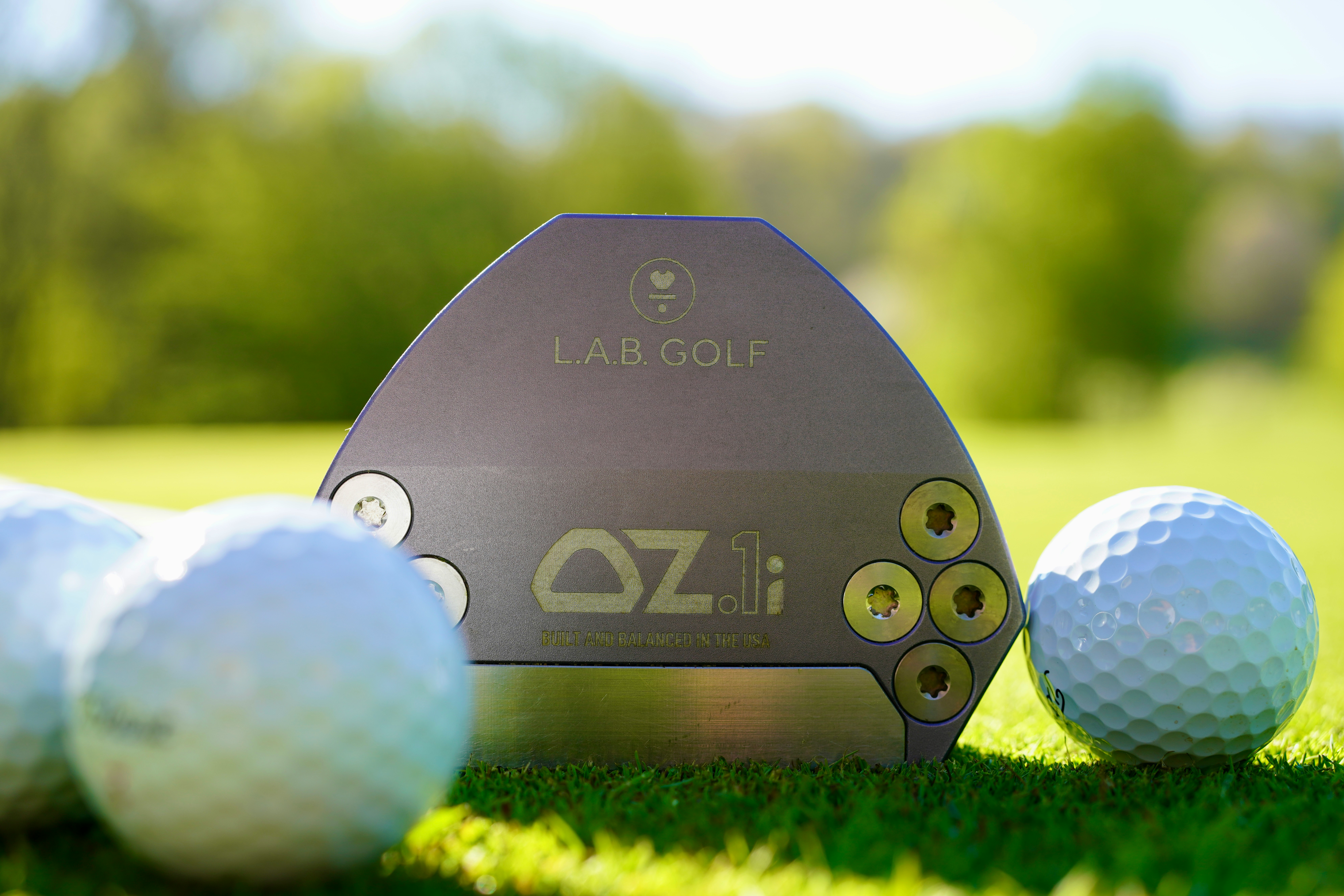
  • L.A.B. Golf → Lie Angle Balance tech = zero torque putting

  • Grindworks → Japanese forging + precision wedge grinds

  • Artisan / boutique wedge makers → fully custom soles, bounce, and shaping

These aren’t mass-produced clubs – they’re engineered solutions for specific swings.

Why This Is Happening Now

This isn’t random. It’s the perfect storm:

1. Launch monitor culture exploded

TrackMan, Foresight, GCQuad—everyone now has data. Golfers can prove what works, not just guess.

2. Fitting > off-the-rack

The biggest shift in golf equipment over the last 5 years: Buying clubs without a fitting now feels… reckless. Boutique brands thrive here because they’re built for customization from day one.

3. Tour validation changed everything

When pros started quietly gaming non-OEM gear:

  • L.A.B. putters showing up on Tour

  • Custom wedges replacing stock grinds

That was the signal: Performance > brand loyalty


LAB Golf

L.A.B. Golf: The Putter That Broke the Internet

Let’s talk about the elephant in the room – yes, they look insane…

But:

  • Lie Angle Balance = eliminates torque during stroke

  • Face stays square without manipulation

  • Tour adoption is rising fast

The wild part: Golfers are choosing function over aesthetics for maybe the first time ever.

Grindworks & The Japanese Craftsmanship Wave

If L.A.B. is about innovation… Grindworks is about perfection.

  • Ultra-premium forging techniques

  • Soft feel + tight tolerances

  • Custom grinds tailored to turf + swing

This is where golf starts to feel like luxury craftsmanship, not retail.


The Real Trend: Hyper-Customization

This is the biggest shift no one is saying loud enough: we’re entering the era of fully built-to-you golf clubs.

Not just:

  • shaft flex

But:

  • shaft profile

  • swing weight

  • lie/loft tweaks

  • grip build-up

  • wedge grind geometry

Every variable is now adjustable—and boutique brands lean into that.

Yes, It’s Expensive… But That’s the Point

Let’s be honest:

  • Boutique wedges: $250–$400+

  • Custom putters: $400–$800+

  • Fully built iron sets: 💀

But golfers are starting to think differently: “Why spend $600 on a driver every year… when you can dial in a set for 5+ years?”

The mindset is shifting from consumption → optimization

OEM vs Boutique: Who Wins?

Big Brands (TaylorMade, Titleist, etc.)

  • R&D power

  • Tour presence

  • Forgiveness + scalability

Boutique Makers

  • Customization

  • Craftsmanship

  • Niche performance advantages

The future isn’t one replacing the other…

It’s blended bags:

  • OEM driver

  • Boutique wedges

  • Specialty putter

  • Custom-fit everything

The Caddyshanks Take

This isn’t a trend—it’s a philosophy shift. Golf used to be: “What clubs should I buy?”

Now it’s: “What clubs are built for my swing?”

And boutique makers are winning because they answer that question better than anyone.

Five years ago, showing up with a weird-looking putter or off-brand wedges felt risky. Now?

It feels like you know something other people don’t. And in 2026 golf culture…that’s kind of the whole point.
Golf has never had more money in it, but the most interesting stuff isn’t coming from the top. It’s coming from the edges – small teams, new ideas, and people building brands that actually mean something. While the big names keep the machine running, these are the ones making the game feel fresh again.

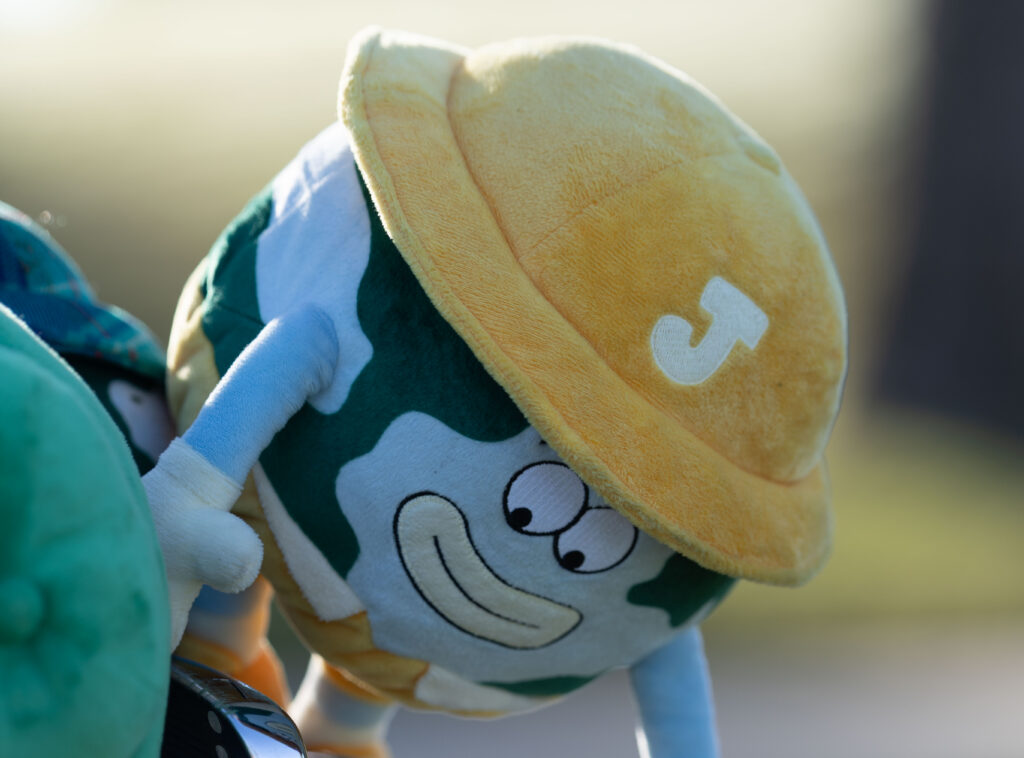
Jain Golf

Jain isn’t just another golf brand – it’s trying to build a universe.

The founder, Chris Hovsepian, walked away from a music career to start it. He has one goal: get kids to fall in love with golf.

The Golfers Journal did a cool profile on him last fall; if you’re a subscriber, you can read it here.

Anyway, instead of leading with clubs or gear, he’s leading with characters and storytelling.

It’s a completely different way of thinking about growth in golf. Not “how do we sell more gear,” but “how do we make the next generation care?”

And that’s why it stands out. We love a family-forward brand.

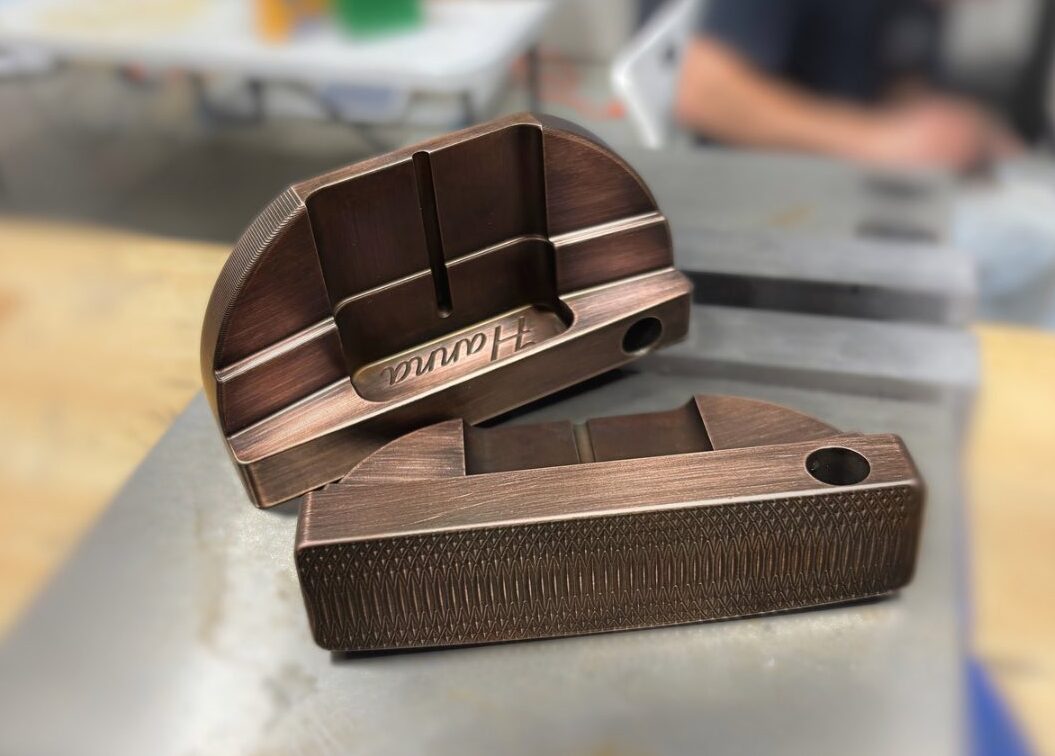
Hanna Golf

Hanna Golf is all about craftsmanship, but there’s more to it than that.

This is a true underdog brand – built in a small Iowa workshop, where each putter is CNC milled from a single block and finished by hand.

But the part we like most is the story behind it. The company is rooted in family – named after the founder’s daughters, while each putter model is named after places tied to his grandfather, who first got him into the game.

It’s not just “premium equipment.” It’s personal. It’s gritty. It’s the kind of brand you root for because it actually means something.

And yeah – the putters are pure.

Charlie Golf

Charlie Golf might be the purest version of what golf is supposed to be.

The whole thing started with a simple problem – a dad couldn’t find a golf bag that actually worked for his toddler, so he built one himself. From there, it took off fast.

Now it’s a full lineup of toddler bags and beginner sets built specifically for kids, but the mission hasn’t changed. It’s about getting families on the course together and making it easy for kids to be part of the game from day one.

It’s not trying to reinvent golf. It’s just making sure more people get to experience it. And honestly, that might matter more.

Final Thought

The big brands are always going to dominate the shelves and the sponsorship dollars – that’s just how it works. But the soul of the game? That lives with the smaller brands. The ones taking risks, telling real stories, building things for the right reasons. They’re the ones that make golf feel personal again, that push it forward in ways the giants won’t. If you actually care about where the game is going, these are the brands worth paying attention to – and worth supporting.